
Pineapple: How to Grow Tropical Exoticism on Your Windowsill
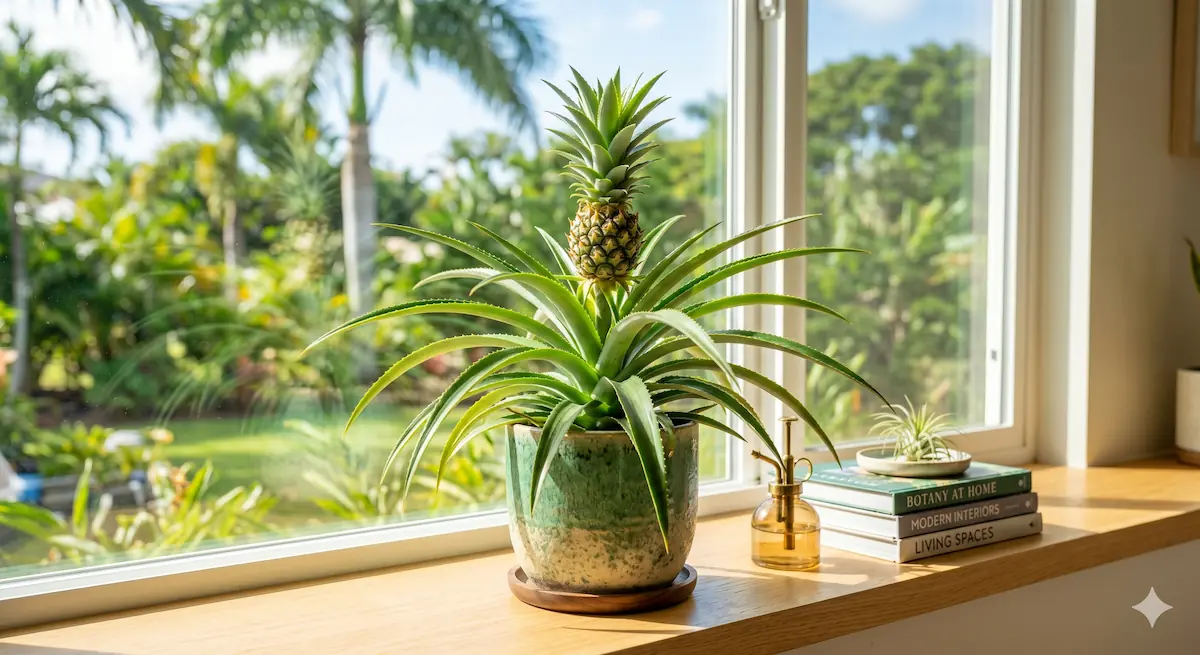
Pineapple is not just a treat, but a stunning indoor plant. Learn how to correctly root the crown, why pineapple fears regular garden soil, and how to wait for your own home harvest.
Pineapple (Ananas comosus) is a tropical herbaceous plant that can be successfully grown at home as both a decorative and fruiting crop. The most amazing part is that you don't need seeds to start — just cut the leaf rosette from a ripe fruit. While the process of growing until harvest can take 2-3 years, the result of having your own fragrant pineapple is worth every minute of waiting.
Soil: Where Does a Pineapple Feel Like It's in the Tropics?
Pineapple belongs to the bromeliad family, so its root system is small and very sensitive to waterlogging and soil density.
- Best Choice: Poor Sandy soils (Type 2) mixed with peat and perlite. The soil should be slightly acidic.
- Soil Check: Perform the sausage test. If the soil crumbles instantly into dust and holds no shape (Type 2), it's the perfect drainage for pineapple roots.
Best Companions (Good)
- Lemon and Citrus: Share similar requirements for light and temperature.
- Aloe Vera: Also dislikes overwatering and coexists well.
- Dragon Fruit (Pitaya): Together they create a stylish tropical corner. Check out our pitaya guide.
Main Enemies (Bad)
- Walnut Trees: Traditionally the most dangerous neighbor. Walnut juglone is poison to the delicate pineapple root system.
- Cold Water and Drafts: Watering with cold water can cause shock and halt growth.
- Heavy Black Soil: In rich and dense soil, the base of the pineapple rosette rots quickly.
AgroPlanner Tip: Pineapple needs a lot of light (at least 6-8 hours of direct sun daily). In our app, it occupies a 1x1 grid in the container or southern terrace sector. The system will check the light level and will definitely flag the walnut toxic zone in red if you decide to take the pot out to the garden for the summer.
AgroPlanner App
Realize your dream garden: check plant compatibility, sun/shade needs, and save your plan easily.

Disclaimer
Important! All information in this blog is for recommendation purposes only. We are developers and enthusiasts, not certified agronomists. Results may vary based on your region, soil type, and weather. We are not responsible for potential errors or crop failures. Please verify critical advice independently!
Found this helpful? Share with friends!
Read more
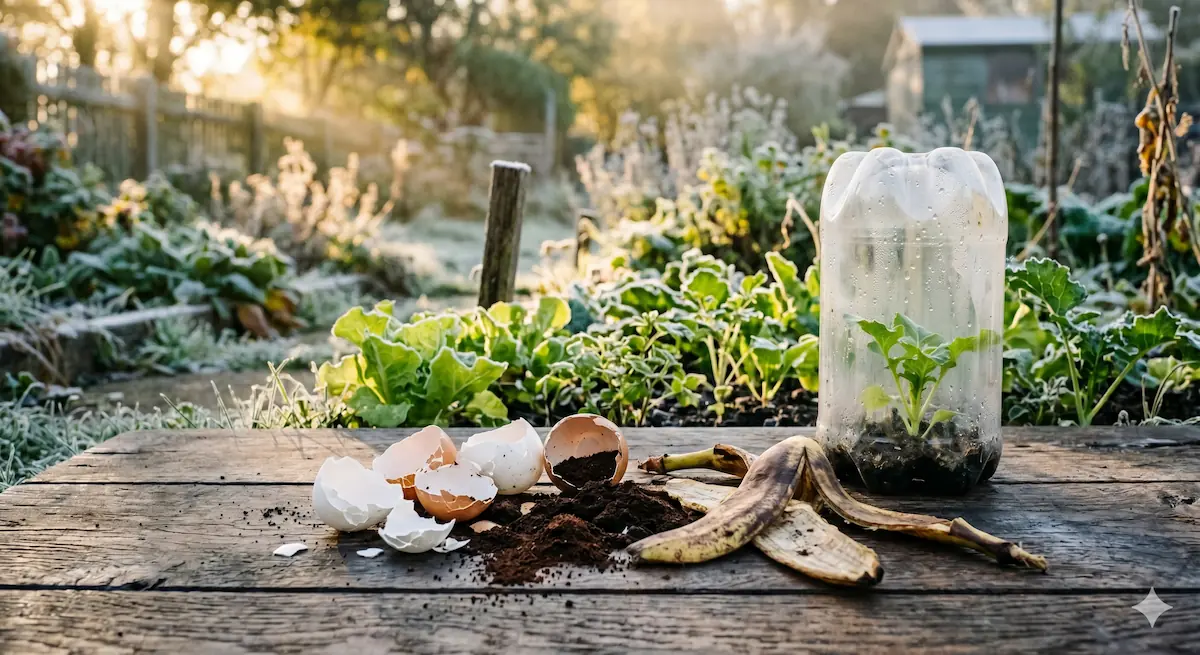
Homemade Kitchen Fertilizers: Feed Your Garden with What You Usually Throw Away
Why buy expensive chemicals? Discover how to turn coffee grounds, eggshells, and onion skins into super-fertilizers for a bountiful and organic harvest.
Read more →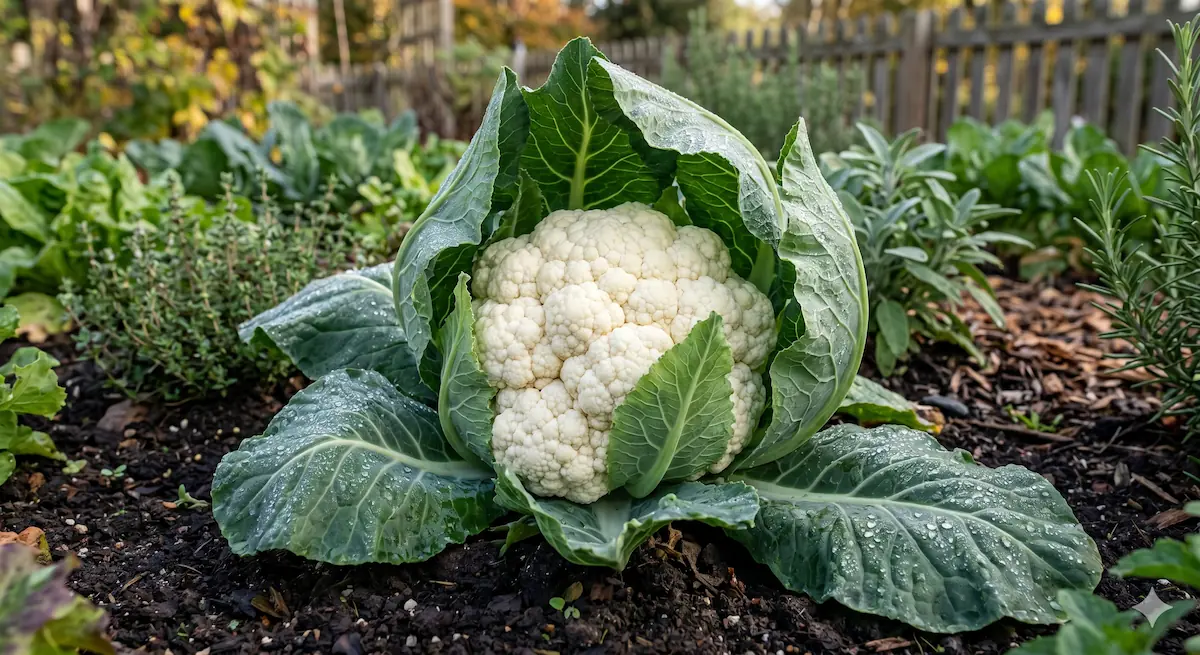
Snowball Cauliflower: The Classic for Pure White Heads
Snowball is one of the most popular early cauliflower varieties. Discover the secrets to keeping the heads white, why it needs regular watering, and how to protect it from the heat.
Read more →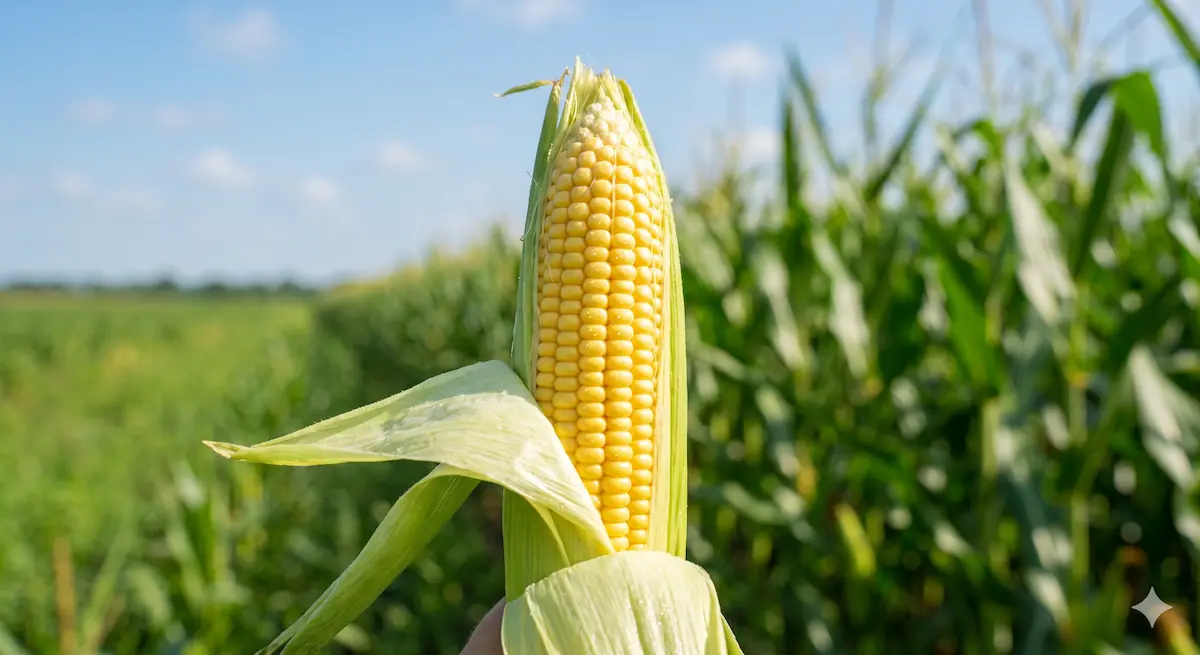
Dobrynya Sweet Corn: The Sweetest Dessert from Your Garden
Dobrynya is the gold standard for sweet corn. Learn why it shouldn't be planted near field corn, what soil makes the ears golden, and how to protect your harvest.
Read more →