
White Sweet Cherry: A Honey-Sweet Harvest the Birds Won't Touch
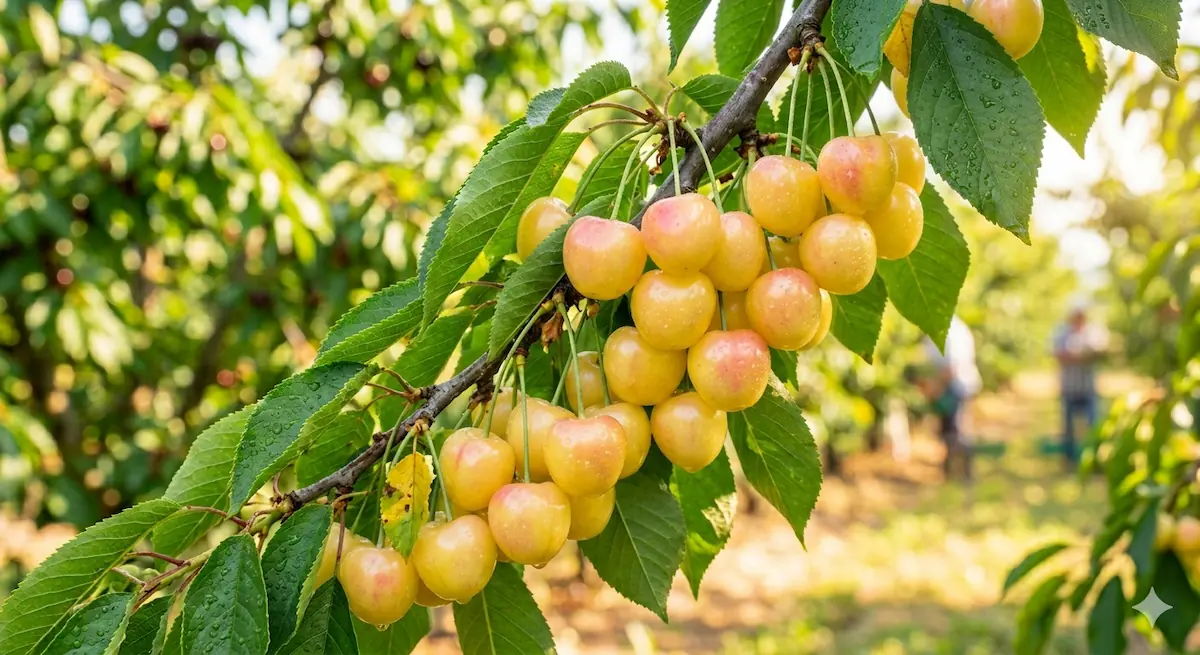
White cherries are sweeter than red ones and rarely attract birds. Learn which soil ensures fruit transparency, why it needs a pollinator, and how to protect it.
White (or yellow) sweet cherries are a true gift for the gardener. Birds usually ignore the fruit because they don't perceive the yellow color as "ripe," allowing you to harvest every single berry. They feature a thinner skin and a honey-like sweetness without any bitterness.
Soil: Where Does the Cherry Become Translucent?
White cherries require light, "warm" soil. On heavy clay, the berries may crack, and the tree becomes prone to disease.
- Best Choice: Fertile Sandy soils (Type 2) or light Loamy soils (Type 1).
- Soil Check: Perform the sausage test. If the earth crumbles and holds no shape (Type 2), it's perfect for the cherry's deep root system.
Best Companions (Good)
- Red Sweet Cherries: For example, our favorite Valeriy Chkalov cherry. They serve as excellent cross-pollinators.
- Elderberry: It is believed that the scent of elderberry repels many pests from fruit trees.
- Strawberries: Thrive at the base of mature cherry trees. Check out our guide on Zenga Zengana strawberries.
Main Enemies (Bad)
- Walnut Trees: The ultimate toxic zone. Juglone is a death sentence for the delicate white cherry.
- Apricot: Can suppress cherry roots if planted too close.
- High Ground Water: Cherries hate "wet feet"—roots will rot within two weeks of standing water.
AgroPlanner Tip: White cherry trees often exceed 4-5 meters in height. In our app, it occupies a 5x5 grid. The system will remind you to plant a pollinator tree nearby. Pro tip: white cherries need more potassium for sweetness compared to red varieties!
AgroPlanner App
Realize your dream garden: check plant compatibility, sun/shade needs, and save your plan easily.

Disclaimer
Important! All information in this blog is for recommendation purposes only. We are developers and enthusiasts, not certified agronomists. Results may vary based on your region, soil type, and weather. We are not responsible for potential errors or crop failures. Please verify critical advice independently!
Found this helpful? Share with friends!
Read more
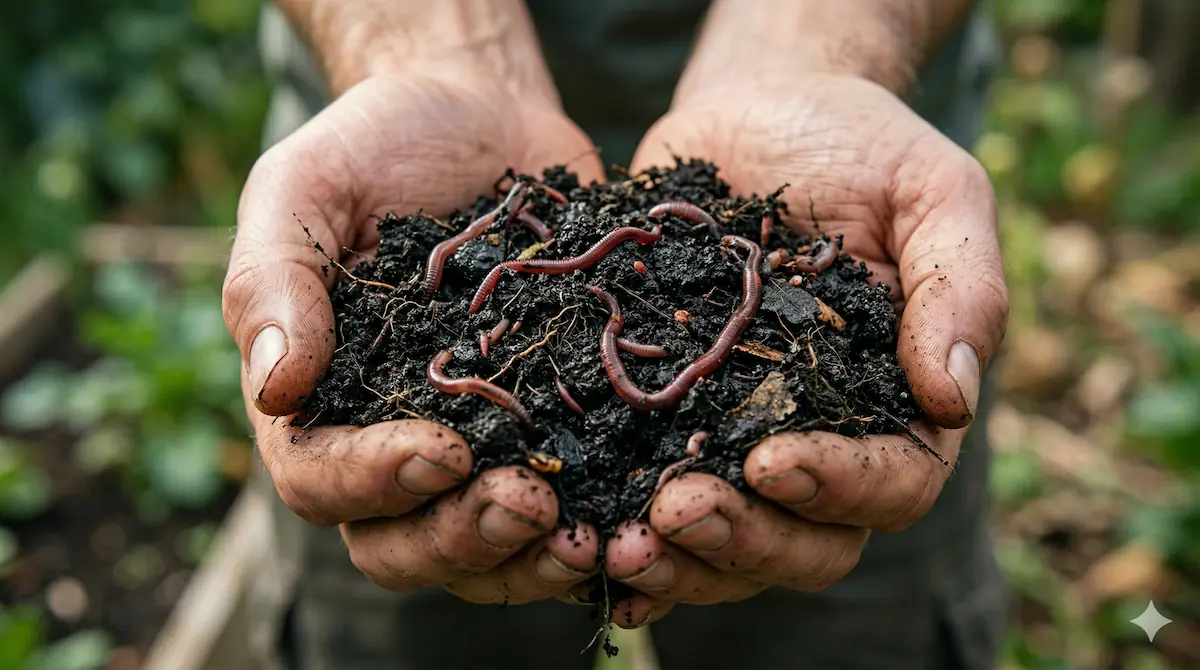
Soil Health: Why It’s More Important Than Any Fertilizer
You can buy the most expensive supplements, but they won't work in "dead" earth. Let's figure out how to turn your soil into a self-sufficient system.
Read more →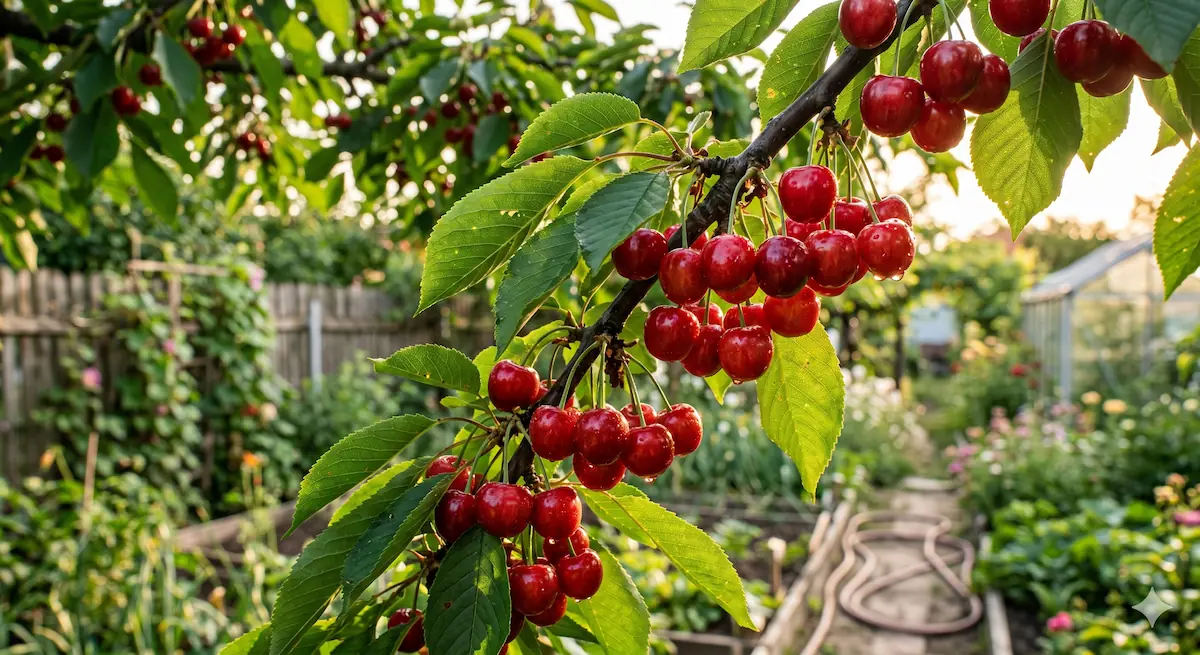
Growing Cherries: Site Selection, Pollination, and Neighbors
Why isn't your cherry tree fruiting? Learn how to choose the perfect spot for your cherries, considering lighting, soil type, and plant compatibility.
Read more →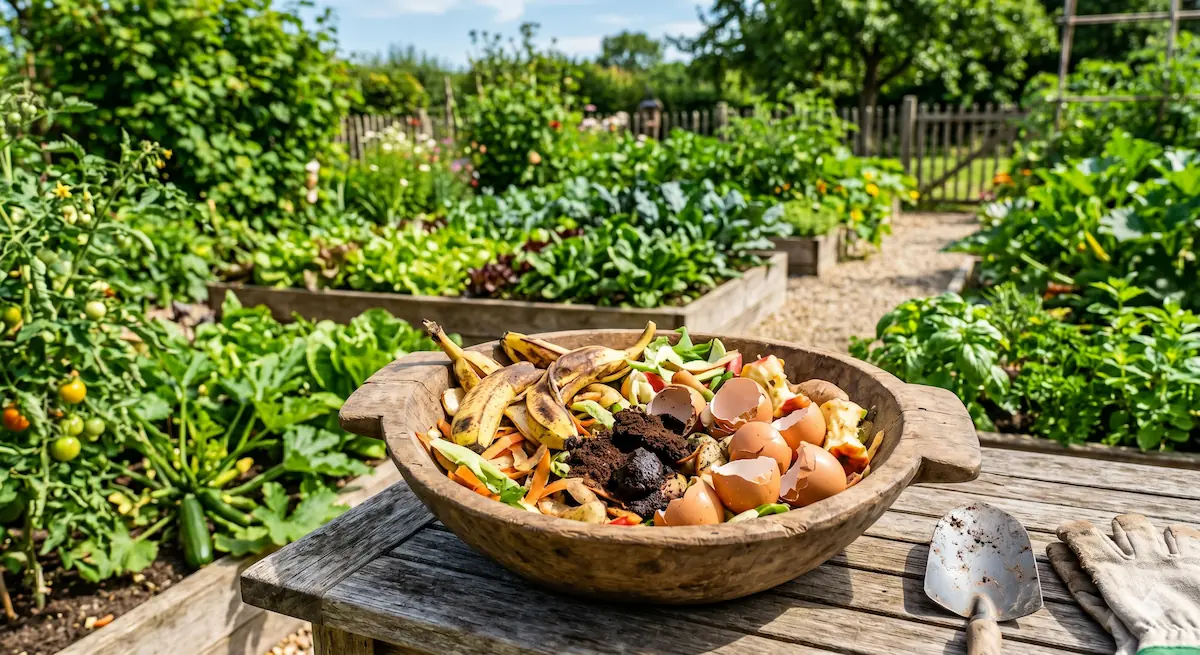
Kitchen Waste as Gold: Turning Trash into a Magnificent Harvest
Don't rush to throw away banana peels or coffee grounds! Your trash is a source of free vitamins for your garden. Learn about 8 types of kitchen waste that replace expensive fertilizers.
Read more →