
Persimmon: The Sweet "Sun" of Late Autumn
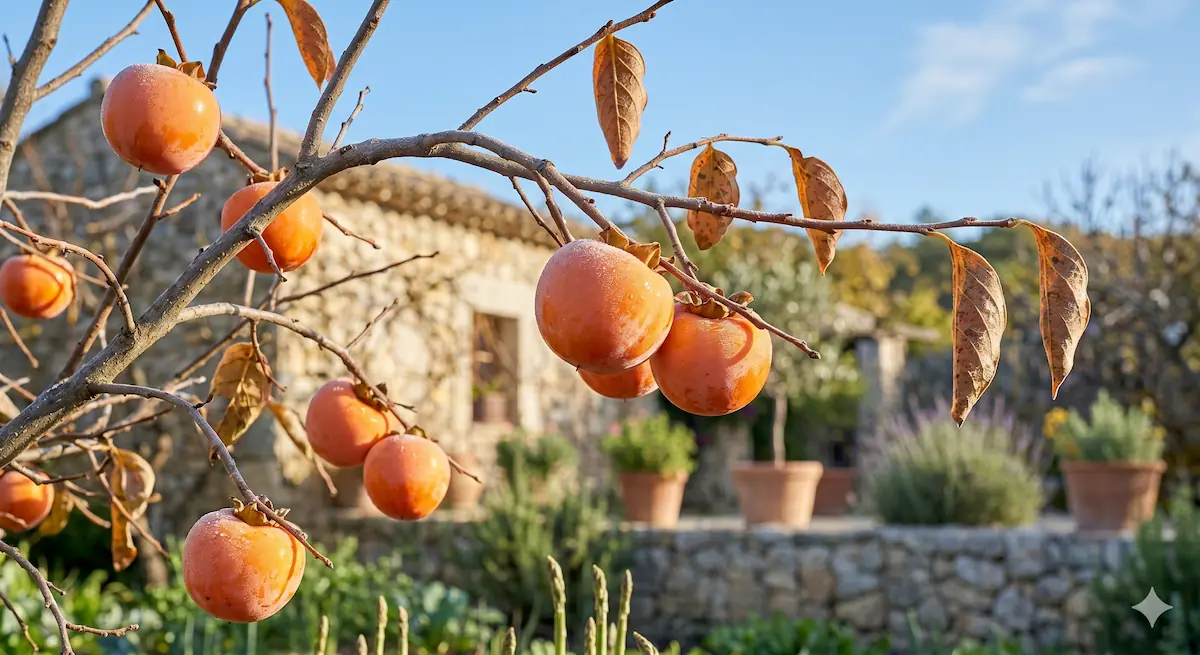
Persimmons are becoming increasingly popular in home gardens. Learn how to choose a frost-resistant variety, why it can't stand dry soil, and how to plan its spot for a sweet harvest.
The Persimmon (Diospyros kaki) is a tree that yields fruit when the rest of the garden is already dormant. It is highly decorative thanks to its bright foliage that turns crimson in autumn. Modern hybrid varieties can withstand significant frost, but for success, a persimmon needs plenty of sunlight and a spot protected from the wind.
Soil: Where Does Persimmon Get Its Sugar?
Persimmons love fertile land that retains moisture well while remaining loose.
- Best Choice: Fertile Loamy soils (Type 1) with a neutral or slightly acidic reaction.
- Soil Check: Perform the sausage test. If the soil rolls into a stick that cracks when bent (Type 1), it provides the perfect water-air balance for persimmon roots.
Best Companions (Good)
- Fig: Often grown together in warm garden corners. Fig guide coming soon.
- Quince: Shares similar soil moisture requirements.
- Mulberry: If space allows, they create a stable ecosystem. Check our mulberry guide.
Main Enemies (Bad)
- Walnut Trees: Juglone is a major enemy. In the walnut's toxic zone, the tree will drop its fruit buds.
- Drought: If the tree lacks water during fruit development, the persimmons will be small and astringent.
- Drafts: Cold winter winds can damage flower buds even on hardy varieties.
AgroPlanner Tip: The persimmon grows into a fairly large tree. In our app, it occupies a 4x4 or 5x5 grid. The system will help you place it in the warmest sector of your plot and will flag the walnut toxic zone in red to ensure a sweet orange harvest every year.
AgroPlanner App
Realize your dream garden: check plant compatibility, sun/shade needs, and save your plan easily.

Disclaimer
Important! All information in this blog is for recommendation purposes only. We are developers and enthusiasts, not certified agronomists. Results may vary based on your region, soil type, and weather. We are not responsible for potential errors or crop failures. Please verify critical advice independently!
Found this helpful? Share with friends!
Read more
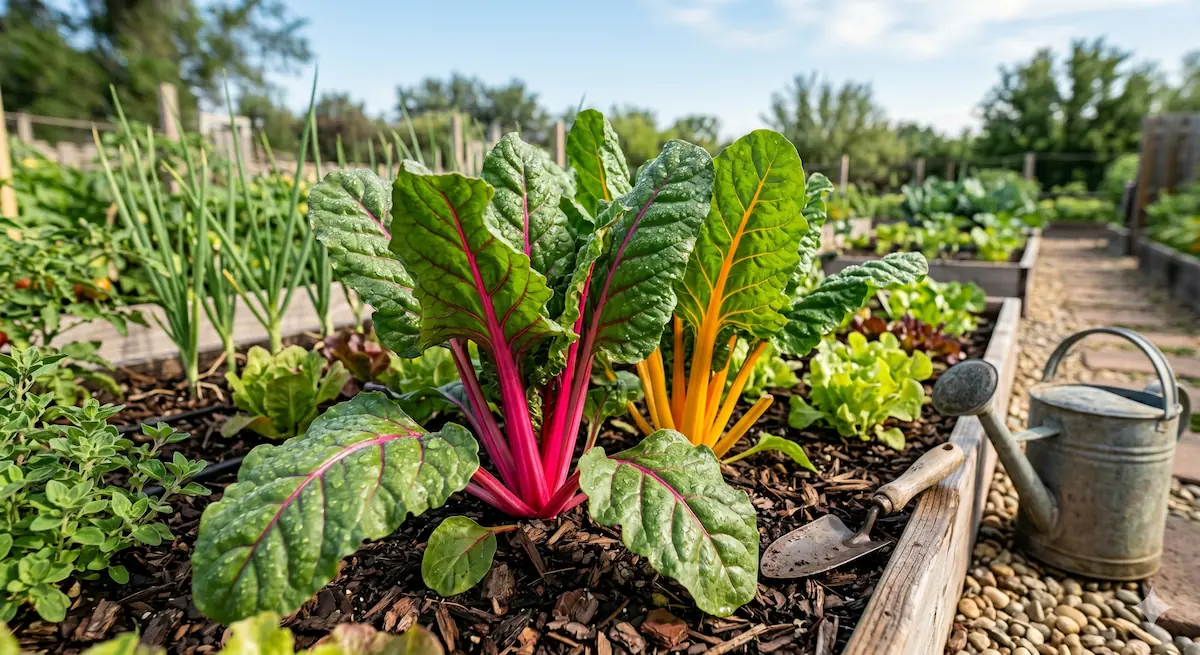
Rainbow Chard: The Most Vibrant Vitamin Bouquet in Your Garden
Rainbow chard is a superfood that doubles as a garden ornament. Learn how to get succulent colorful stalks, why it withstands early frosts, and what to plant nearby for a stunning garden bed.
Read more →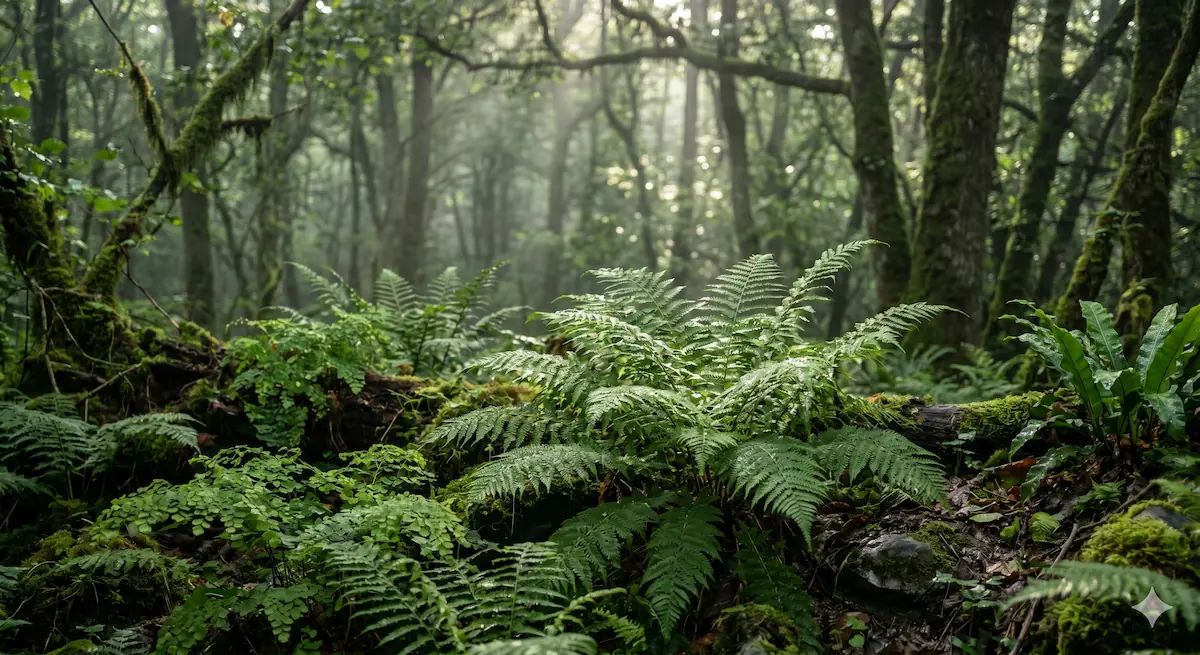
Ferns: The Magic of a Shaded Garden
Ferns are ancient plants perfect for spots where nothing else grows due to lack of sun. Learn how to provide humidity, what soil makes the fronds lush, and why they are the best companions for coffee trees.
Read more →
Broccoli Companion Planting: 8 Best Plant Neighbors
Broccoli fears extreme summer heat and cabbageworms. Learn which 8 neighbors provide light shade, deter pests, and secure firm, heavy heads.
Read more →