
Rose Hip: How to Grow the "Wild Rose" with a Vitamin Treasure
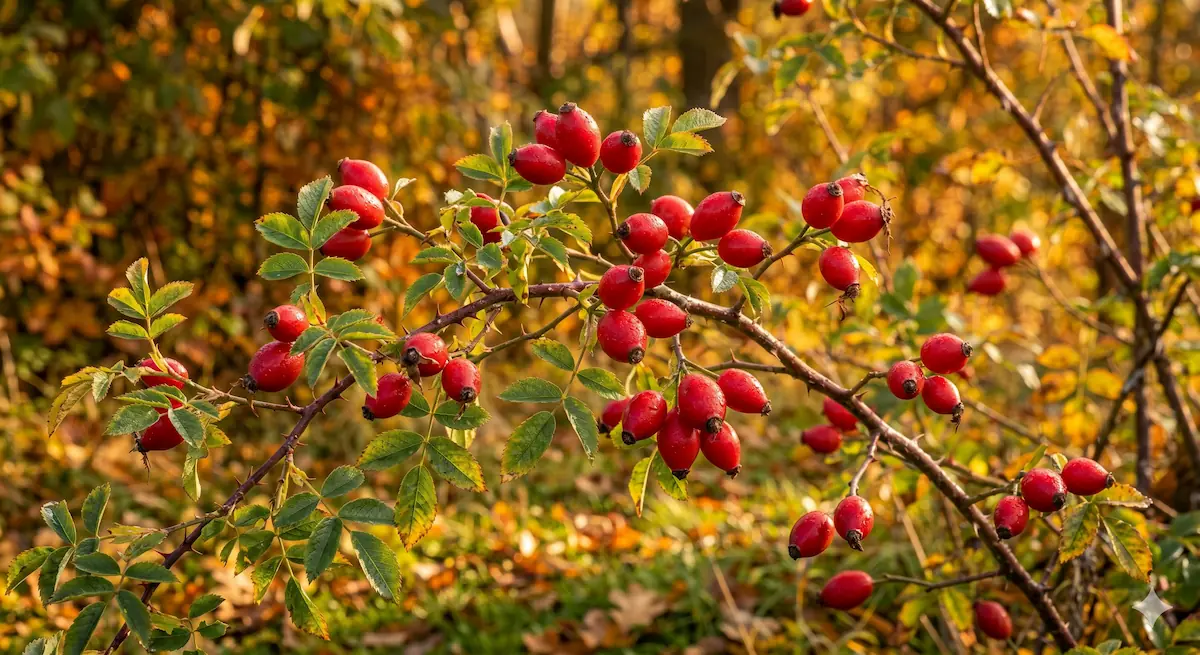
Rose hip is a champion in vitamin C content. Learn how to plant it for a living hedge, why it doesn't fear drought, and how to harvest berries that will save you from winter colds.
Rose Hip (Rosa canina) is not just the wild ancestor of garden roses, but a real "pharmacy on a branch." This shrub is extremely hardy, able to grow in poor soils and withstand severe frosts. Rose hips are often used for stabilizing slopes or as an impenetrable hedge, offering delicate blooms in spring and bright fruits in autumn.
Soil: Where Does the Rose Hip Fill with Vitamins?
While undemanding, rose hips fruit best in deep, well-lit areas.
- Best Choice: Fertile Loamy soils (Type 1) or Sandy Loams (Type 2) with a neutral pH (6.0–7.0).
- Soil Check: Perform the sausage test. If the soil rolls into a flexible stick (Type 1), it's ideal: the roots will get enough nutrition for rapid shoot growth.
Best Companions (Good)
- Lavender and Sage: Share similar sun requirements and attract pollinators. Check our lavender Munstead guide.
- Garlic: Protects rose hips from fungal diseases and aphids.
- Elderberry: Together they create a powerful protective barrier for the plot.
Main Enemies (Bad)
- Walnut Trees: Walnut juglone is enemy number one. In the walnut's toxic zone, the plant suffers, and berries become small and flavorless. Read about the walnut tree toxic radius.
- High Water Table: If roots are constantly submerged, the plant will suffer from chlorosis and root rot.
- Conifers: Can acidify the soil, which rose hips (preferring neutral environments) dislike.
AgroPlanner Tip: Rose hip tends to spread via root suckers. In our app, it occupies a 3x3 grid. The system will definitely flag the walnut toxic zone in red and help you plan its location so the thorny bushes don't block pathways or interfere with other vegetables.
AgroPlanner App
Realize your dream garden: check plant compatibility, sun/shade needs, and save your plan easily.

Disclaimer
Important! All information in this blog is for recommendation purposes only. We are developers and enthusiasts, not certified agronomists. Results may vary based on your region, soil type, and weather. We are not responsible for potential errors or crop failures. Please verify critical advice independently!
Found this helpful? Share with friends!
Read more
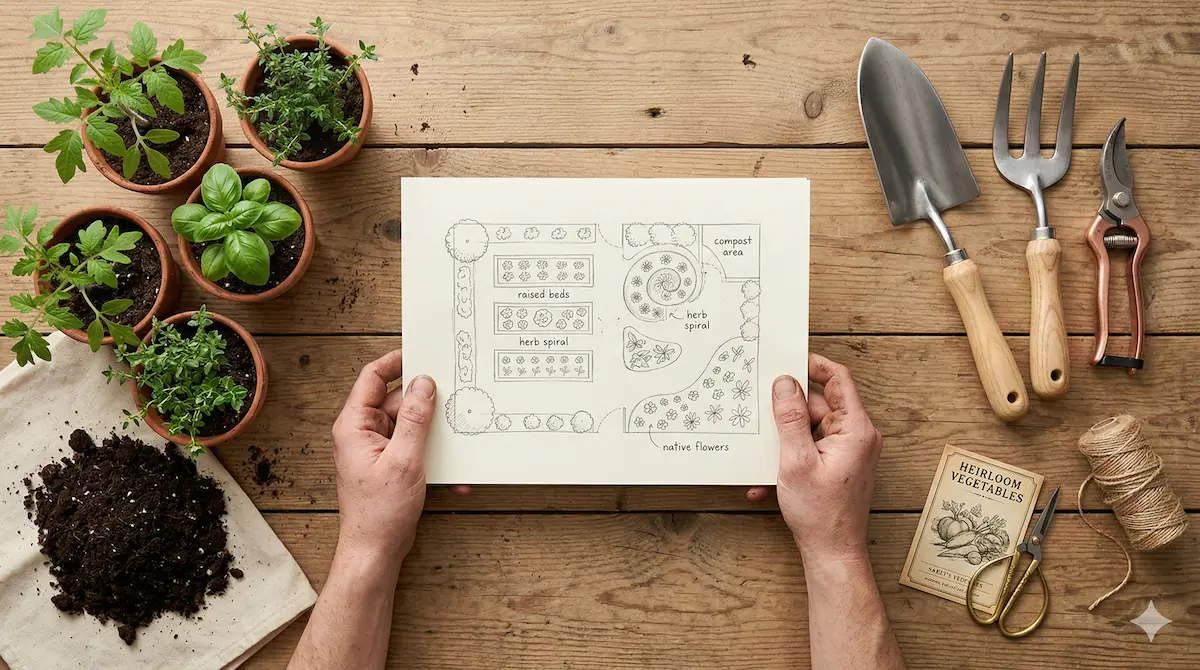
3 Major Mistakes When Planning Garden Beds in Spring
Find out why your garden isn't yielding the expected harvest and how to avoid common planting mistakes.
Read more →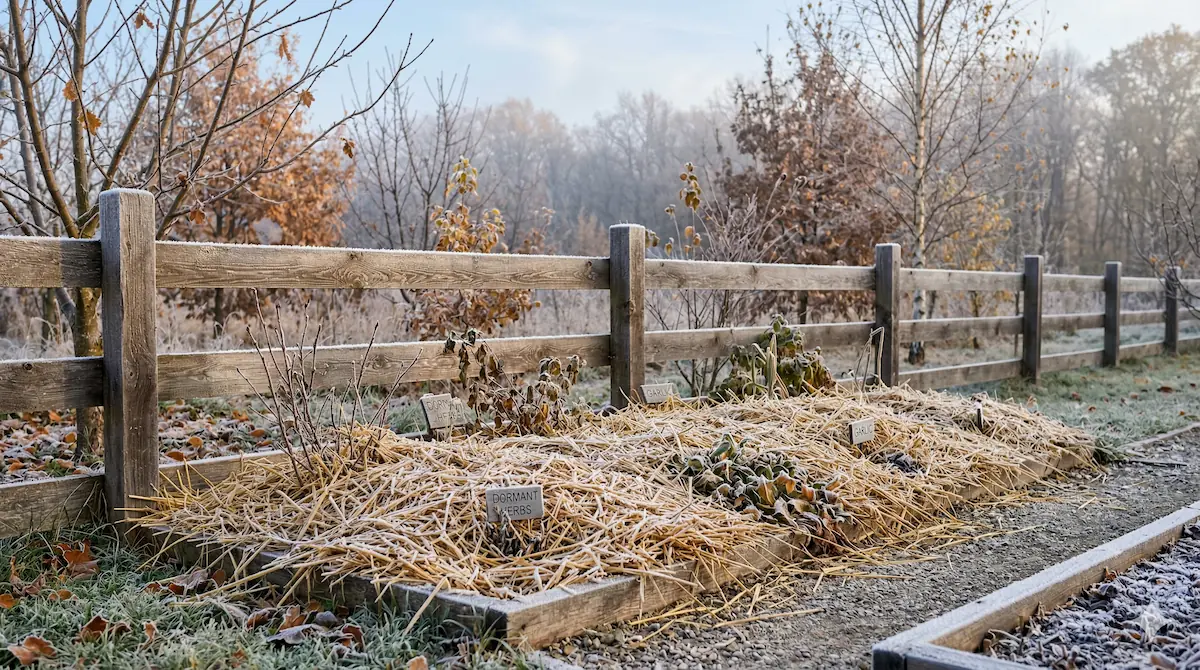
Winter is Coming: How to Properly "Conserve" Your Garden
The season doesn't end when the last vegetable is picked, but when the land is ready for rest. An essential autumn checklist.
Read more →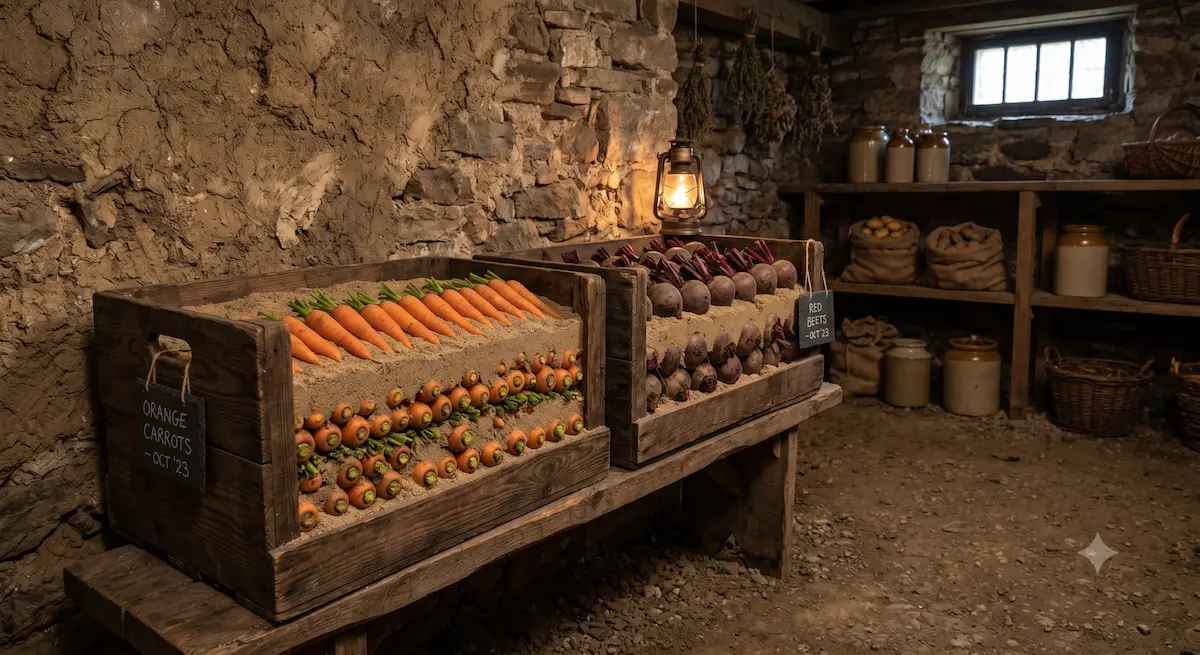
When to Harvest and How to Store Carrots and Beetroot for Winter: Full Guide
Improper storage turns carrots and beetroots into a soft, wrinkled mass. Learn autumn harvest timelines and secrets of storing roots in sand.
Read more →