
Coconut Palm: Secrets to Growing the "Tree of Life"
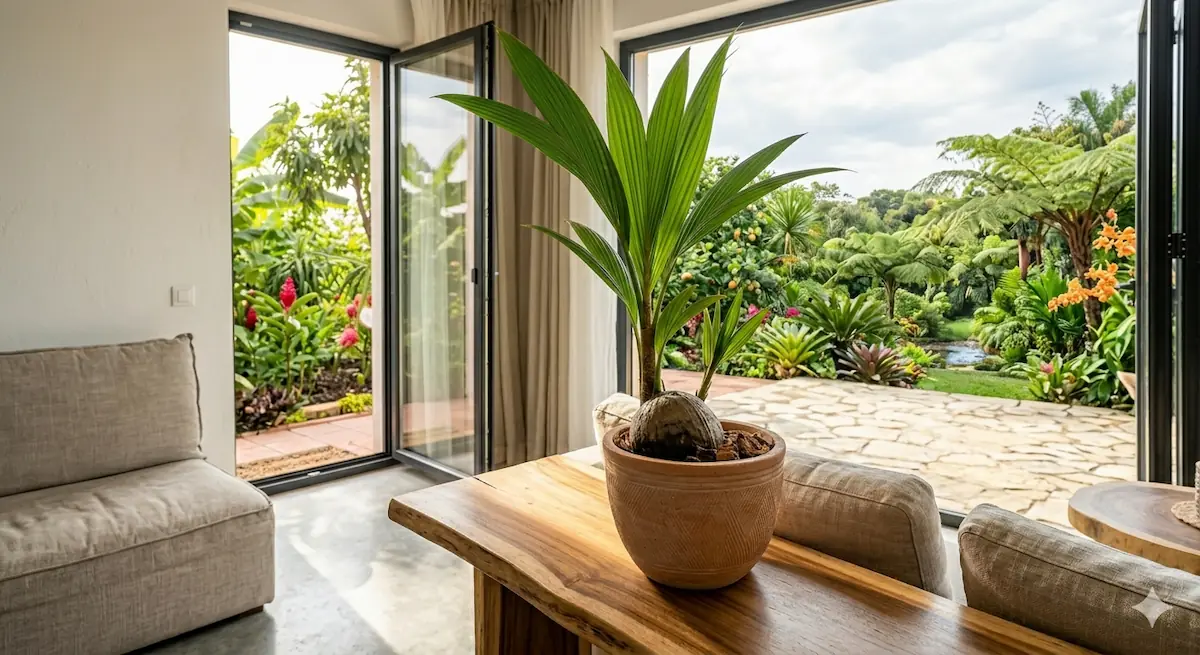
The coconut palm is the ultimate symbol of the exotic. Learn how to sprout a nut, why it needs sand instead of regular soil, and how to ensure your palm has enough space to grow indoors.
The Coconut Palm (Cocos nucifera) is a plant associated with the perfect vacation. Growing it at home is a challenge, but the result is truly rewarding. The palm requires significant space, high temperatures (not below 20°C year-round), and extremely intense lighting. It’s a plant for those who embrace difficulty for the sake of a true tropical atmosphere.
Soil: Where Does the Palm Feel Like It's on the Coast?
In nature, coconuts grow on sandy shores, so regular garden soil is strictly prohibited. The soil must be very light and allow water to drain almost instantly.
- Best Choice: Poor Sandy soils (Type 2) mixed with coconut coir and fine gravel.
- Soil Check: Perform the sausage test. If the soil crumbles immediately and doesn't hold its shape even when wet (Type 2), it's the perfect base for coconut roots.
Best Companions (Good)
- Dragon Fruit (Pitaya): Shares similar requirements for soil drainage. Check our guide on pitaya.
- Papaya: Helps complete the look of your tropical sector. Read about papaya.
- Banana: Together they create an ideal microclimate with increased humidity.
Main Enemies (Bad)
- Walnut Trees: Traditionally a deadly neighbor. Walnut juglone instantly stunts palm growth.
- Dry Air: The main cause of indoor coconut failure. Without daily misting, the leaves quickly turn yellow.
- Stagnant Water: Even minimal overwatering leads to the rapid rotting of the nut from which the palm grows.
AgroPlanner Tip: The coconut palm has a wide canopy, so even at a young age, it needs plenty of space. In our app, it occupies a 3x3 grid. The system will check if there is enough light in the chosen sector and will flag it in red if you place the palm in a walnut toxic zone or too close to walls that will restrict leaf growth.
AgroPlanner App
Realize your dream garden: check plant compatibility, sun/shade needs, and save your plan easily.

Disclaimer
Important! All information in this blog is for recommendation purposes only. We are developers and enthusiasts, not certified agronomists. Results may vary based on your region, soil type, and weather. We are not responsible for potential errors or crop failures. Please verify critical advice independently!
Found this helpful? Share with friends!
Read more
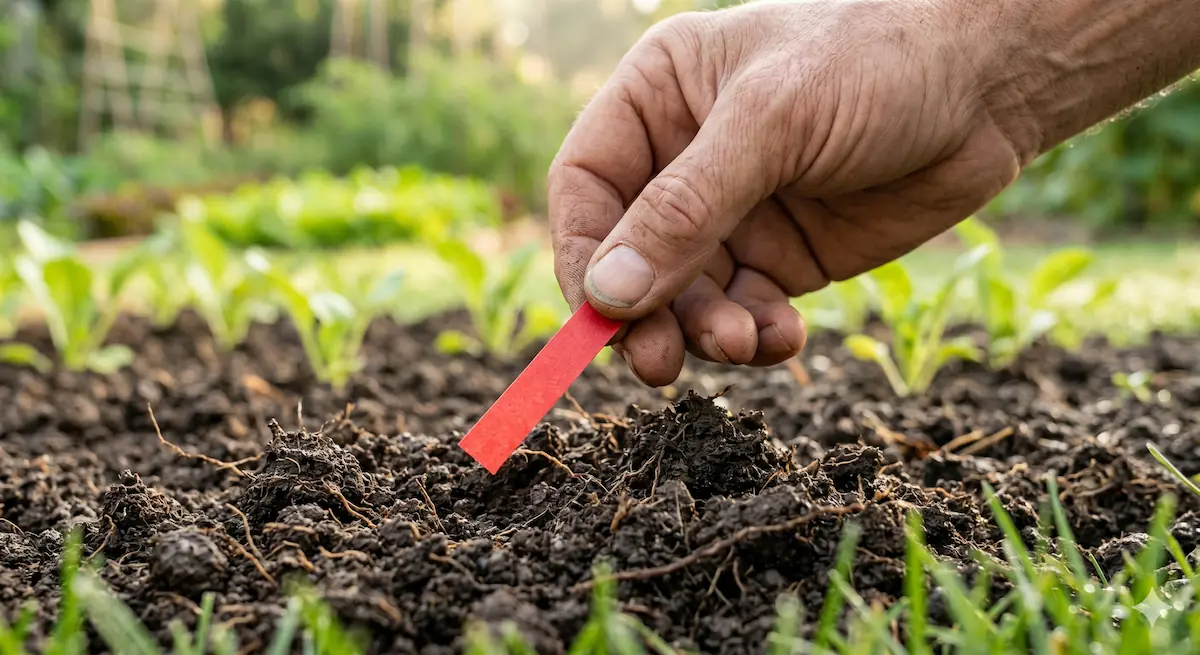
Soil pH: The Secret Key to Why Your Fertilizers Might Be Failing
Learn how to test soil acidity using household items and why the pH level is crucial for your plants' health and nutrient absorption.
Read more →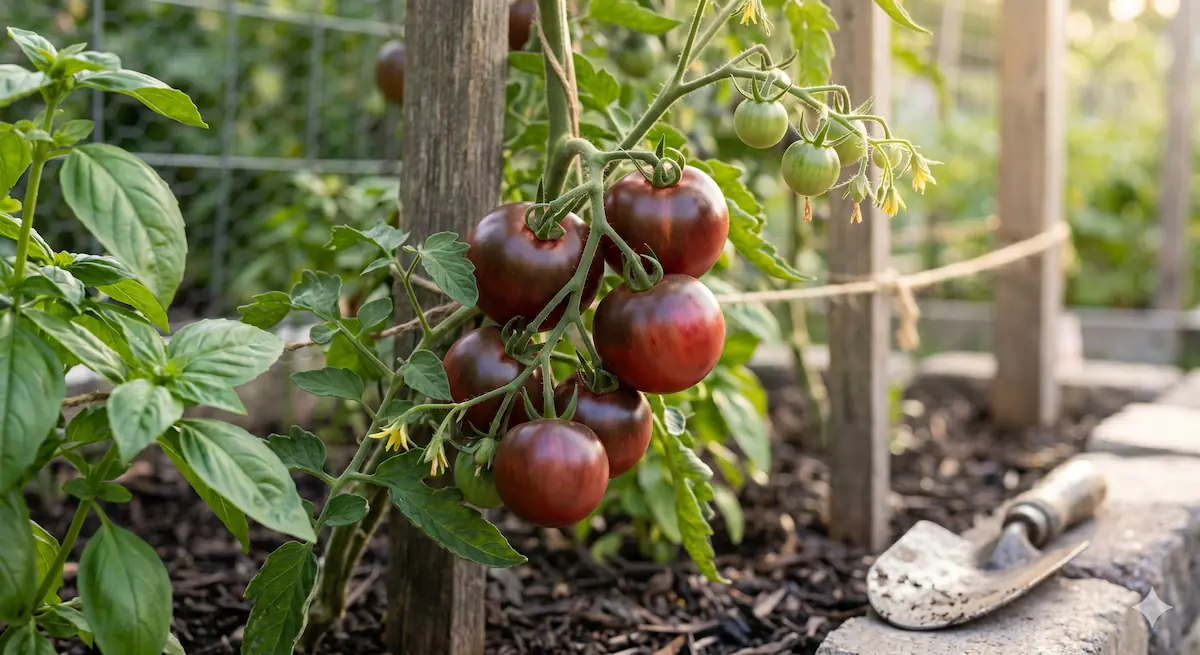
"Black Prince" Tomato: Growing the Sweetest Dark Variety
"Black Prince" is for those who value unique appearance and dessert flavor. Learn why it needs specific watering, its best companions, and how to protect it from blight.
Read more →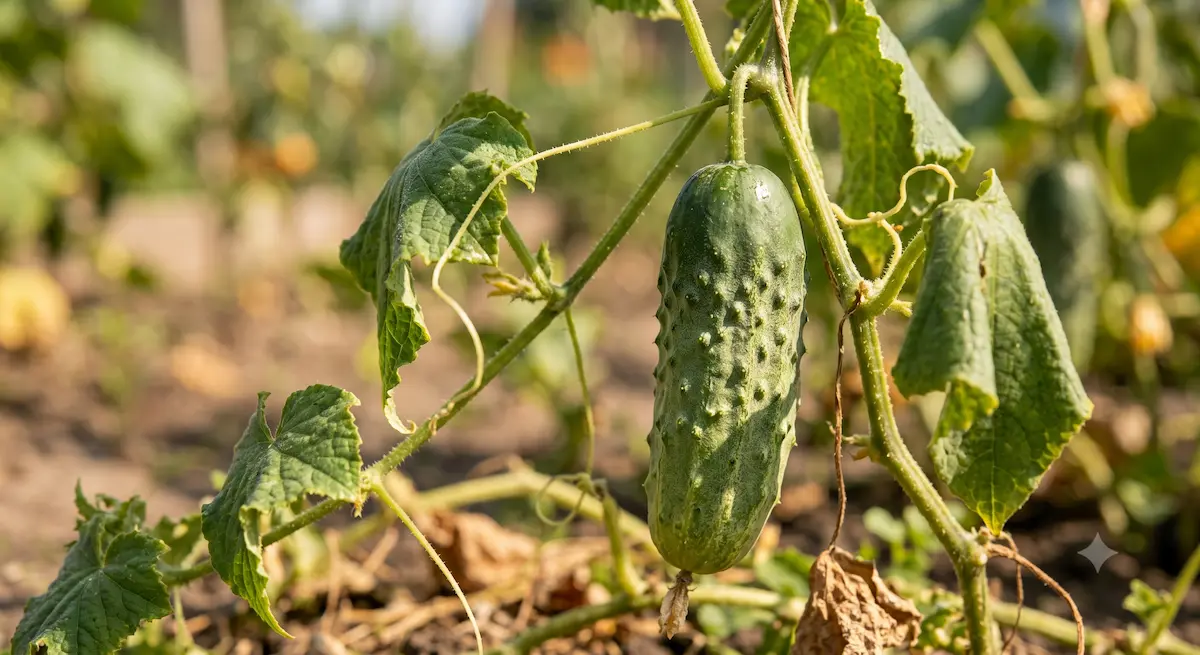
Why Cucumbers Turn Bitter in the Bed and How to Save Your Summer Crop
Bitterness in cucumbers appears due to stress and cucurbitacin accumulation. Learn the primary causes and how to adjust care to restore fruit sweetness.
Read more →