
Why Cucumbers Turn Bitter in the Bed and How to Save Your Summer Crop
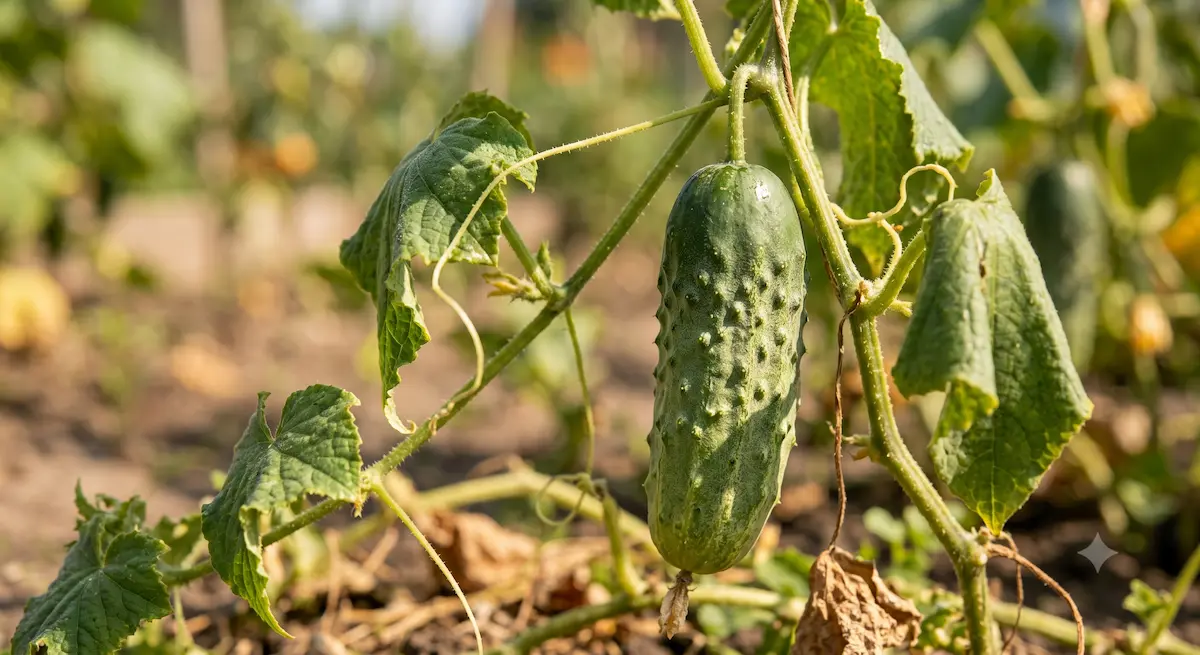
Bitterness in cucumbers appears due to stress and cucurbitacin accumulation. Learn the primary causes and how to adjust care to restore fruit sweetness.
Every gardener has faced a frustrating issue at least once: you pluck a beautiful, green, crunchy cucumber, take a bite — and it turns out to be unbearably bitter. Most frequently, this trouble manifests during July and August. Bitterness ruins summer salads and forces you to waste time peeling the skin. However, this is not a disease, but a physiological reaction of the plant to severe summer stress.
1. What Forces Cucumbers to Turn Bitter?
A specific substance called cucurbitacin is responsible for the bitter taste. All cucurbit crops naturally synthesize it in small amounts to protect themselves from wild animals. But when a cucumber bush falls into extreme stress conditions, cucurbitacin production shoots up rapidly, migrating from leaves directly into the fruits. The main stress factors are prolonged summer heatwaves, sharp temperature fluctuations, and extended soil droughts.
2. Protecting the Vine and Restoring Fruit Sweetness
Cucumbers need a stable and predictable microclimate. If the plant feels that conditions have normalized, the production of the bitter substance terminates, and new green fruits grow sweet. A reliable eco-friendly solution is utilizing drip irrigation, the benefits of which we detailed in our smart watering guide.
3. Table of Cucumber Bitterness Causes and Remedies (Good)
| Bush Stress Cause | Why Does It Trigger Bitterness? | How to Fix the Mistake in Summer? |
|---|---|---|
| Watering with cold water | Ice-cold water from a borehole paralyzes delicate root hairs; the bush cannot drink and enters a shock state. | Fill water into barrels so it warms under the sun to +22-25°C before irrigation. |
| Extreme heatwaves | At temperatures above +30°C, large leaves evaporate water faster than roots can resupply it. | Utilize lightweight shading nets and blanket the bed with straw, as outlined in our heatwave protection guide. |
| Uneven irrigation | Jumps from dry cracked earth to a flooded swamp destroy the plant's vascular system. | Water cucumbers with moderate doses regularly — every 2 days, and in peak heatwaves — daily. |
| Lack of potassium & phosphorus | Exhausted soil weakens vine immunity, amplifying any external stress factors. | Feed the bed with a wood ash infusion rich in minerals; details in our wood ash guide. |
4. What to Do with Already Harvested Bitter Cucumbers? (Bad)
If you have already picked a batch of bitter fruits, do not throw them away. Cucurbitacin breaks down completely under prolonged heat treatment or marinating. Such cucumbers are perfectly suited for winter canning, pickling, and fermentation — not a trace of bitterness will remain inside the jars.
- Beginner Error: Leaving bitter fruits to overripen on vines "for seeds" — this will only further exhaust the plant and halt fresh ovary production.
AgroPlanner Tip: If you need to eat a fresh cucumber urgently, peel the skin near the stem tail (where the bitterness concentration is highest) or soak sliced fruits in warm water for 30 minutes. Model your garden calendar with our planner tool!
AgroPlanner App
Realize your dream garden: check plant compatibility, sun/shade needs, and save your plan easily.

Disclaimer
Important! All information in this blog is for recommendation purposes only. We are developers and enthusiasts, not certified agronomists. Results may vary based on your region, soil type, and weather. We are not responsible for potential errors or crop failures. Please verify critical advice independently!
Found this helpful? Share with friends!
Read more
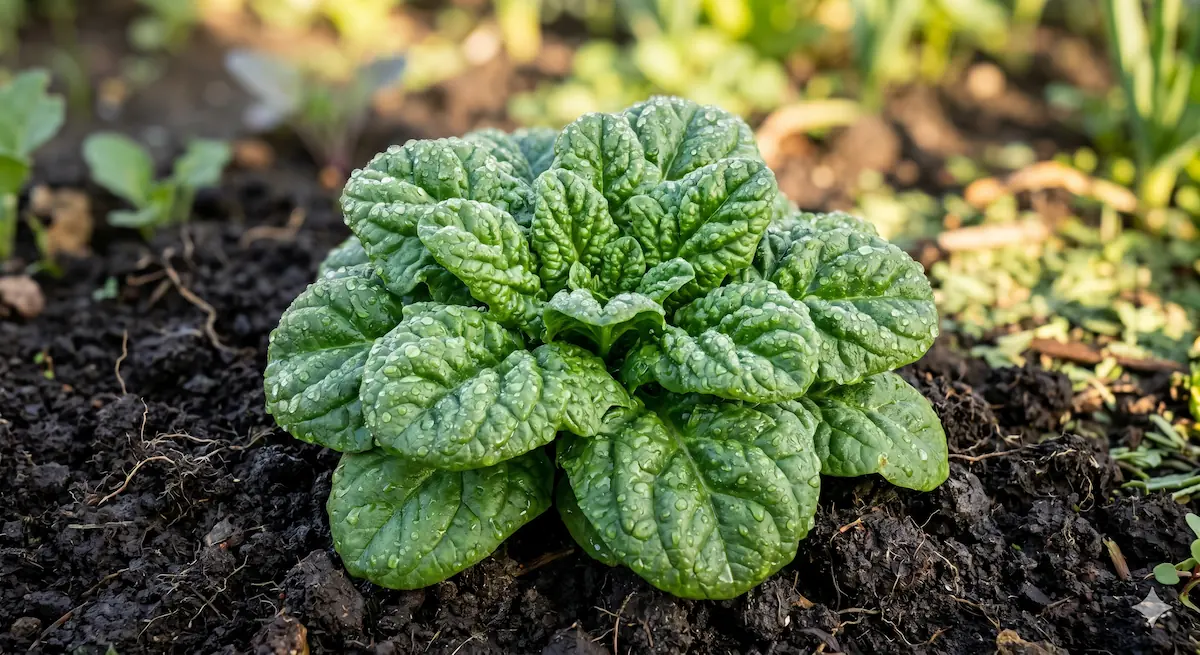
Spinach in the Garden: How to Grow Juicy Leaves and Prevent Bolting
Spinach growing secrets from AgroPlanner. Learn why it loves the cold, how to water it correctly, and how to stop the plant from flowering too early.
Read more →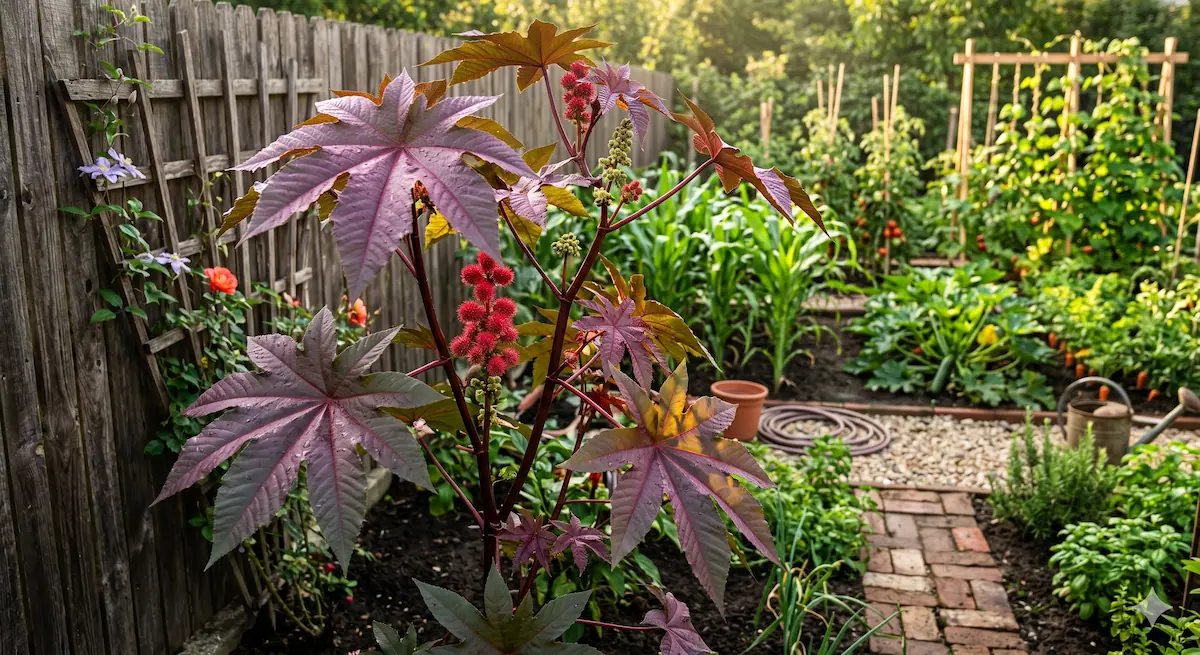
Guardian Plants: How to Use the "Poisonous Radius" to Your Advantage
Some plants are nature's chemical weapons. Learn how to correctly place toxic crops to protect your garden from rodents and pests without harming yourself.
Read more →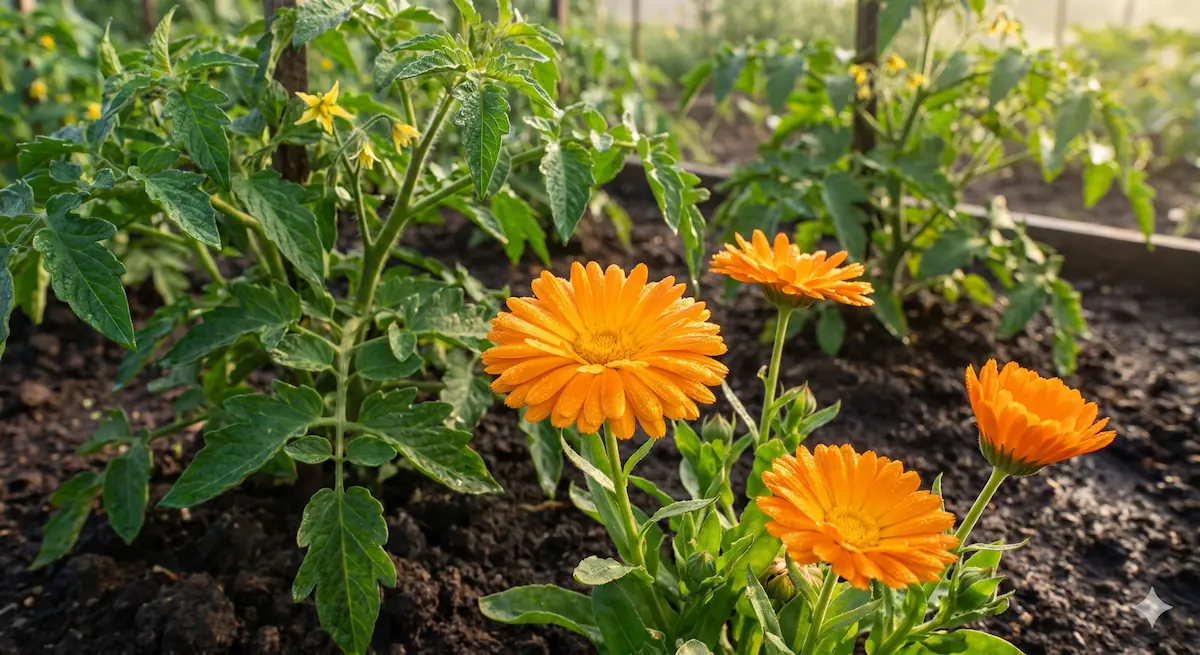
Calendula: A Medicinal Helper and Garden Protector
Learn how calendula heals the soil, repels tomato pests, and why you should include it in your planting layout. Tips on growing and compatibility in our garden planner.
Read more →