
Orange: How to Grow Your Own Sun Tree
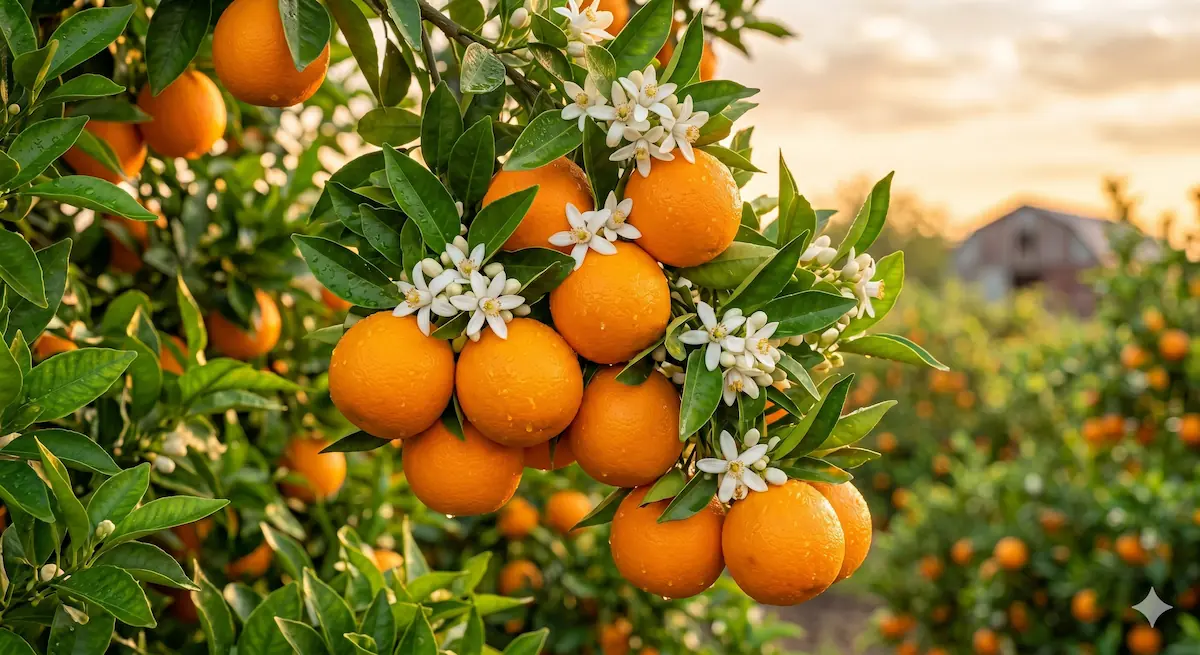
Oranges require more space and light than mandarins. Learn how to provide conditions for blooming, why they fear heavy clay, and how to plan their spot in a conservatory or garden.
The Sweet Orange (Citrus sinensis) is a long-lived tree that can grow quite large under the right conditions. Its snow-white flowers have the strongest fragrance among all citrus, and home-grown fruits far surpass store-bought ones in juiciness. Oranges need stable warmth and protection from sudden temperature drops.
Soil: Where Does the Orange Gather Its Sugar?
Oranges hate "heavy feet." If water lingers in the soil, the tree can quickly develop gummosis (oozing sap).
- Best Choice: Fertile Loamy soils (Type 1) or Sandy Loams (Type 2) with a thick drainage layer.
- Soil Check: Perform the sausage test. If the soil rolls into a stick that breaks into pieces (Type 1), it’s ideal: the earth holds enough moisture while allowing air to reach the roots.
Best Companions (Good)
- Lemon: Shares identical light and irrigation requirements.
- Herbs (Rosemary, Lavender): Help create a Mediterranean garden atmosphere and repel certain pests. Check out our article on boxwood—it makes a perfect border for citrus tubs.
- Okra (Lady's Fingers): If the orange grows in a greenhouse, okra is a great companion. Read about okra here.
Main Enemies (Bad)
- Walnut Trees: The ultimate enemy. Even a mature orange will wither if its roots encounter the walnut's toxic zone.
- Heavy Clay (Type 3): Without adding sand and peat, orange roots will suffocate within the first month.
- Overwatering in Winter: When the tree is dormant, excess water leads to root collar rot.
AgroPlanner Tip: Oranges grow larger than mandarins, so in our app, they occupy a 2x2 or 3x3 grid. Planner will help you position the orange to get maximum southern sun without being shaded by walls or other trees. The system will alert you to **walnut toxic zone conflicts** to ensure your tree lives for decades!
AgroPlanner App
Realize your dream garden: check plant compatibility, sun/shade needs, and save your plan easily.

Disclaimer
Important! All information in this blog is for recommendation purposes only. We are developers and enthusiasts, not certified agronomists. Results may vary based on your region, soil type, and weather. We are not responsible for potential errors or crop failures. Please verify critical advice independently!
Found this helpful? Share with friends!
Read more
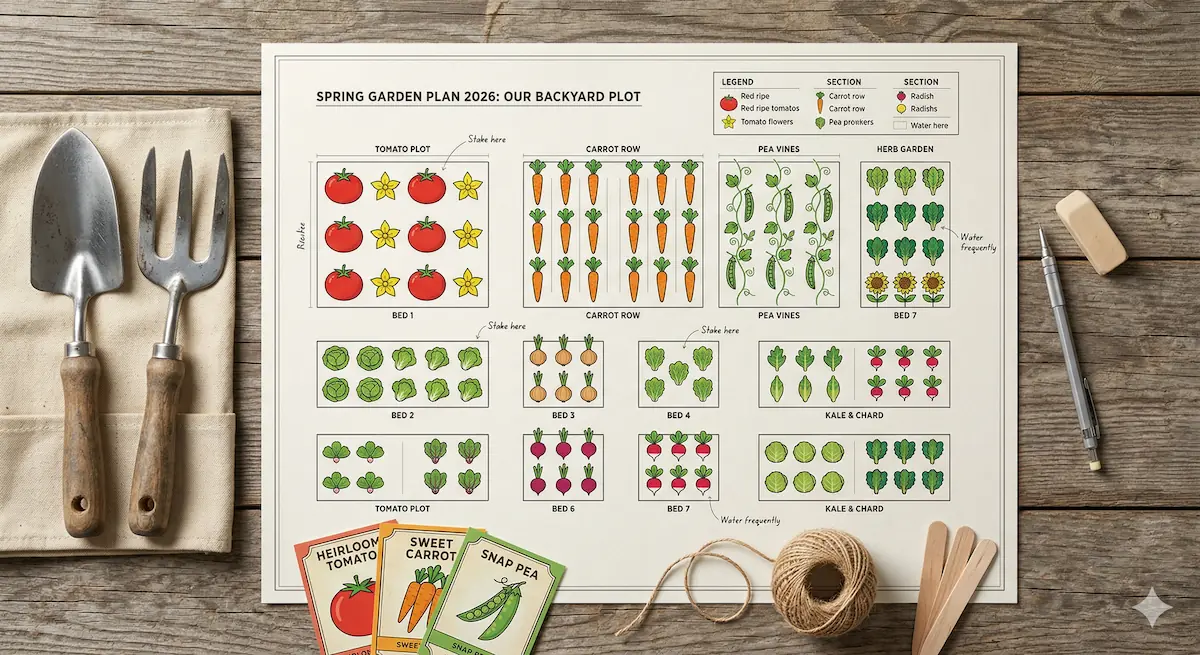
Crop Rotation: How to Prevent Your Garden from Getting "Tired"
Why shouldn't you plant tomatoes after potatoes? Understanding the rules of crop rotation for healthy soil and large fruits.
Read more →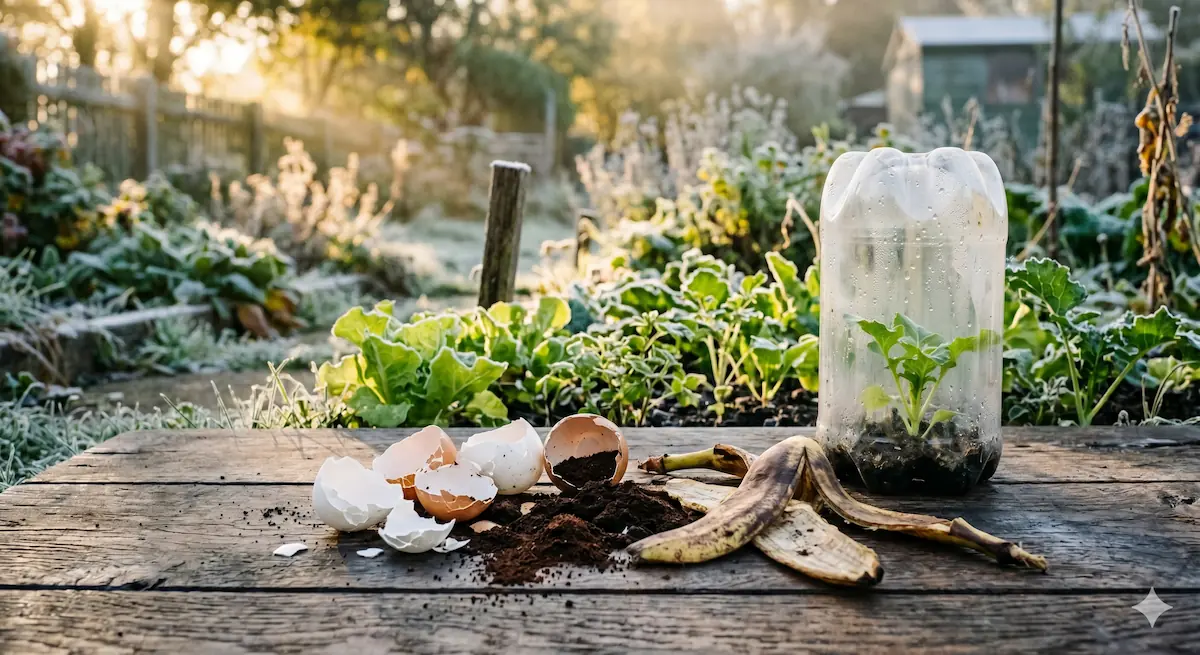
Homemade Kitchen Fertilizers: Feed Your Garden with What You Usually Throw Away
Why buy expensive chemicals? Discover how to turn coffee grounds, eggshells, and onion skins into super-fertilizers for a bountiful and organic harvest.
Read more →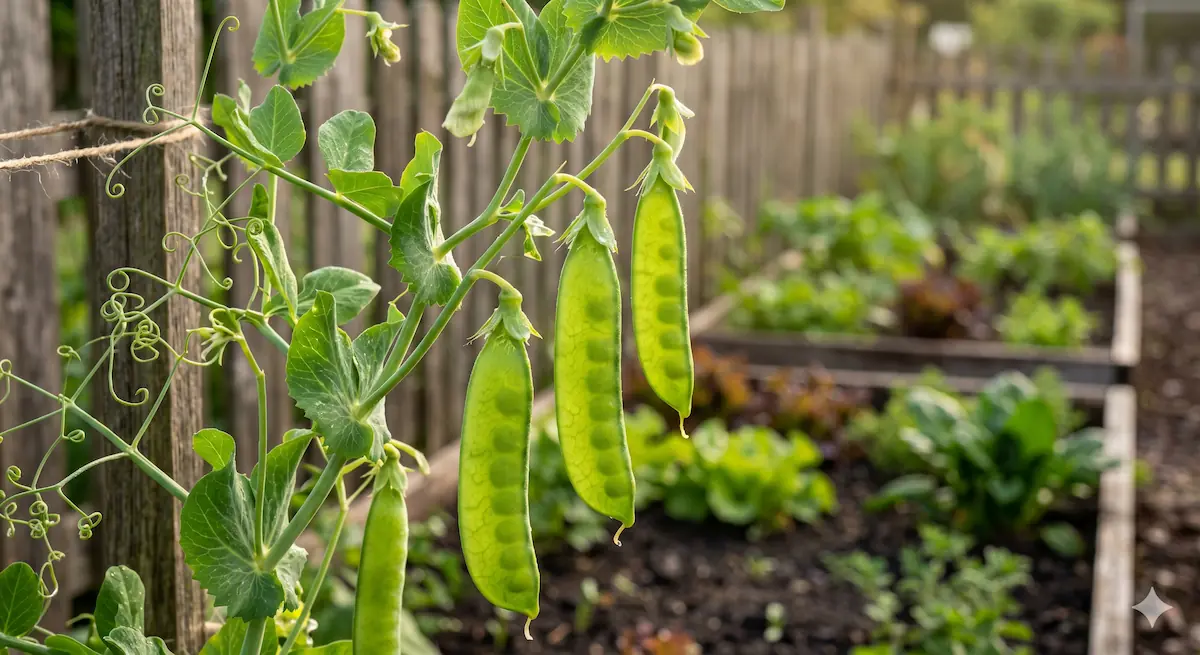
Peas: How to Grow a Sweet Harvest and Enrich Your Soil
Secrets to growing peas: from soil selection to strategic companion planning. Learn how peas act as a natural fertilizer for your garden.
Read more →