
What to Plant in July: The Second Wave of Fresh Garden Crops
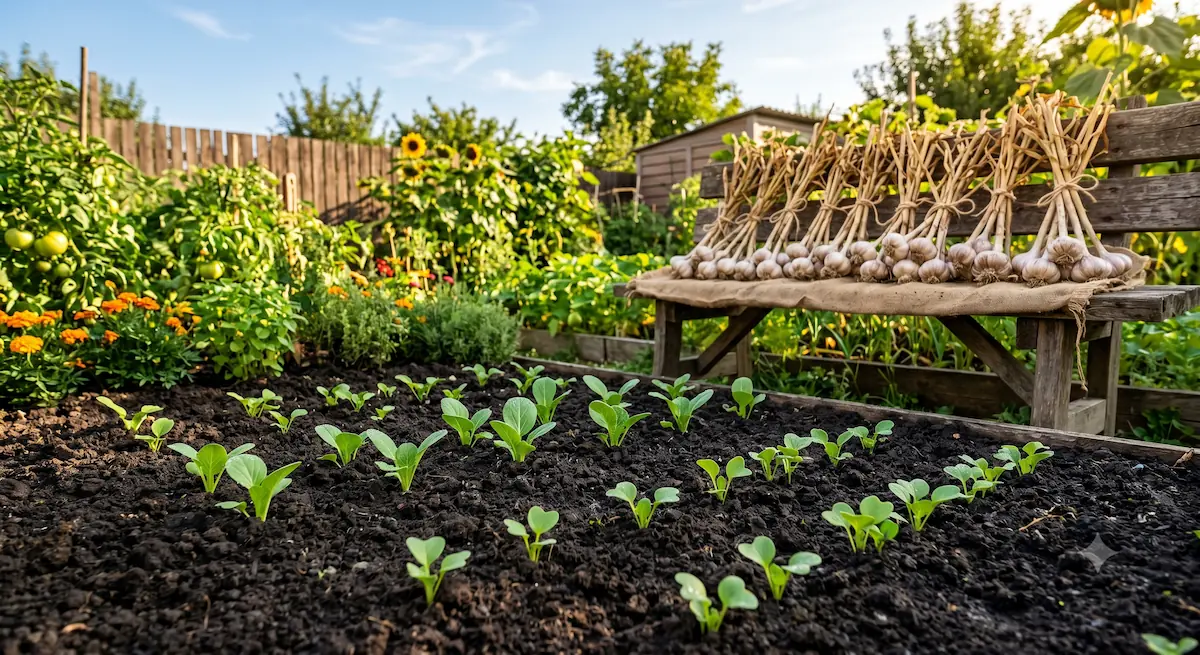
Empty beds after harvesting early onions and garlic? Learn which vegetables and leafy greens can be sown in July for an autumn harvest.
July is the peak of the summer season when gardeners begin to heavily harvest their first major crops: winter garlic, early onions, young potatoes, and initial waves of greens. After this, clean, well-loosened beds remain. Leaving them bare until autumn is a major mistake. Daylight hours begin to gradually shorten, creating ideal conditions for repeat sowings of many fast-maturing crops.
1. Preparing the Bed for the Second Sowing Wave
Previous crops have already drained some nutrients from the soil, so the ground must be properly prepared before a new sowing. Clean the plot of plant debris and weeds, apply well-rotted compost, or use mineral complexes highlighted in our ultimate guide to plant fertilizers. Additionally, water the ground thoroughly, as July soil is often dehydrated by intense heat waves.
2. Table of the Best Crops for July Sowing (Good)
| Crop | July Sowing Specifics | When to Expect Harvest? |
|---|---|---|
| Pak Choy Cabbage | Develops perfectly during short days, refuses to bolt, and forms juicy, crunchy stalks. | In 25-30 days. |
| Daikon Radish | Requires deep irrigation. Forms massive and sweet root vegetables without bitterness when sown in mid-summer. | In 50-60 days. |
| Spinach | Demands daily moistening. Cool August nights will cause its leaves to grow giant and fleshy. | In 30-35 days. |
| Radishes | Sown in late July, radishes grow sweet and large since the afternoon sun is no longer as aggressive. | In 20-25 days. |
| Dill & Parsley | Repeat sowings secure tender, fresh greens for autumn canning routines and salads. | In 35-40 days. |
3. What is Strictly Forbidden to Sow in July? (Bad)
Do not waste your time trying to plant crops like watermelons, late-season tomatoes, or heat-loving bell peppers in the middle of summer. They simply will not have enough time to establish fruit before autumn chills set in. If you do not want to plant vegetables again, the best solution is to sow the empty plot with a healing green manure, which we covered in our article on phacelia growing.
4. Core Rule of Summer Crop Maintenance
The largest threat to July seedlings is the rapid drying of the topsoil crust. Until seeds sprout, it is recommended to cover beds with thin white row fabric or mist regularly using a fine sprayer bottle.
AgroPlanner Tip: Pair your July leafy greens with companion setups around late crops. Use our planner to calculate open areas accurately and log your repeat sowing dates!
AgroPlanner App
Realize your dream garden: check plant compatibility, sun/shade needs, and save your plan easily.

Disclaimer
Important! All information in this blog is for recommendation purposes only. We are developers and enthusiasts, not certified agronomists. Results may vary based on your region, soil type, and weather. We are not responsible for potential errors or crop failures. Please verify critical advice independently!
Found this helpful? Share with friends!
Read more
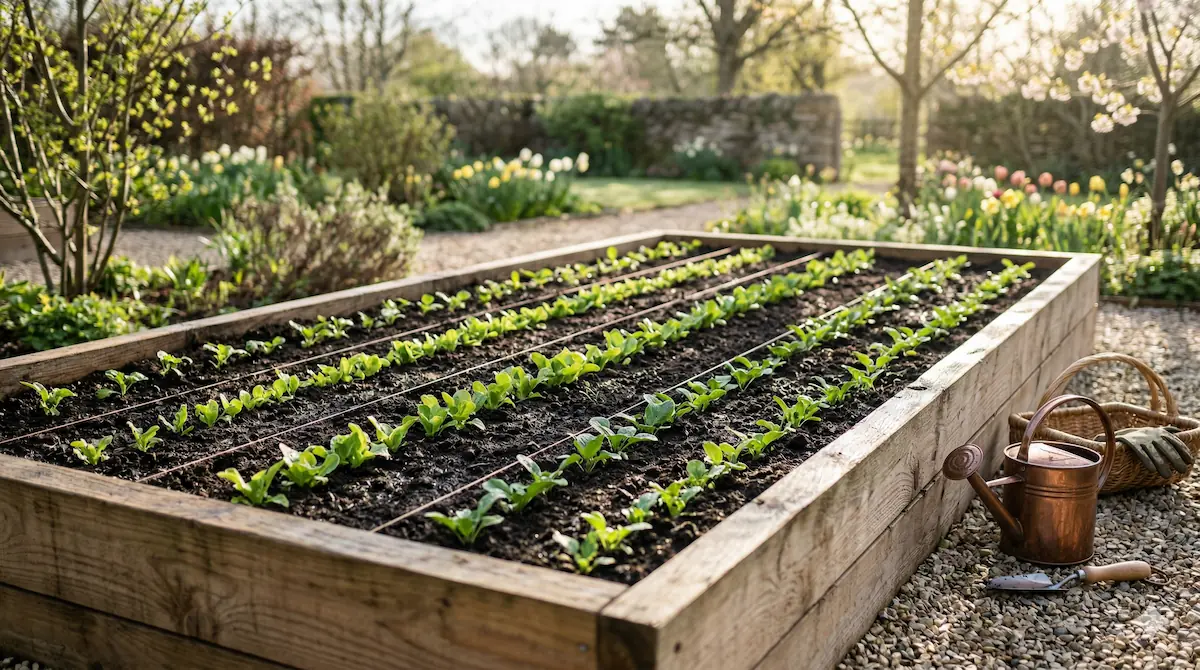
Planning a Perfect Garden from Scratch: A Step-by-Step Guide
Starting your first gardening season? This simple guide will help you create your dream garden without the stress.
Read more →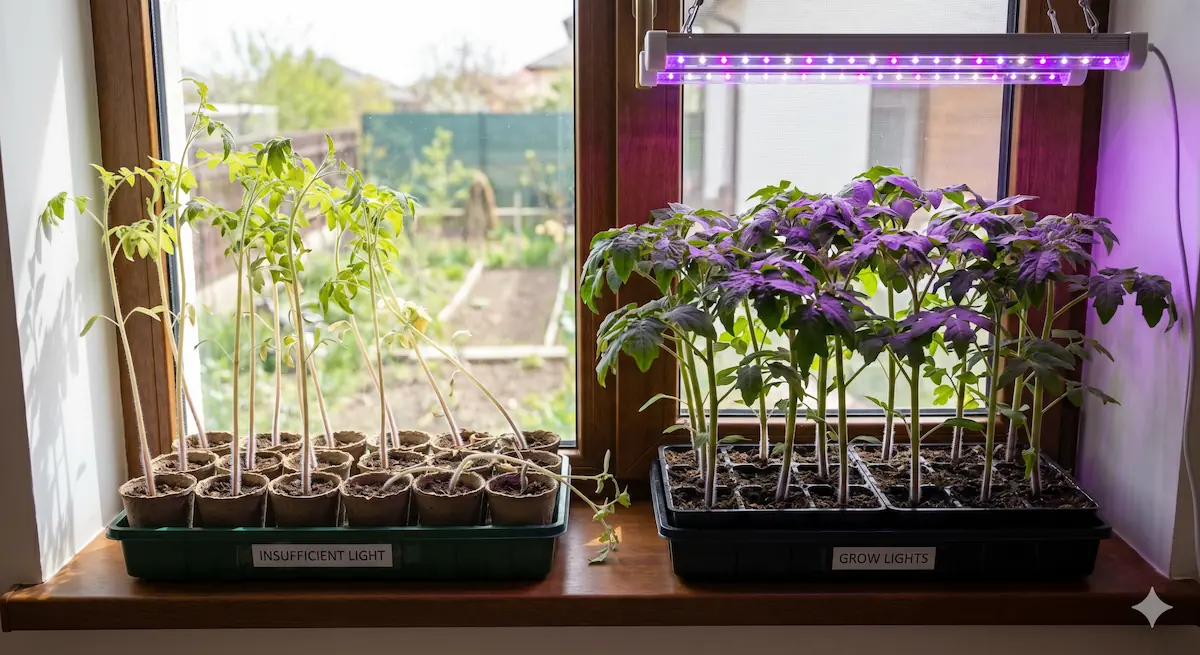
Leggy Seedlings: Why Plants Grow Thin and How to Save Them
Is your seedlings growing too tall and weak? We explore 3 main reasons for "legginess" and provide actionable tips to make stems strong and roots powerful.
Read more →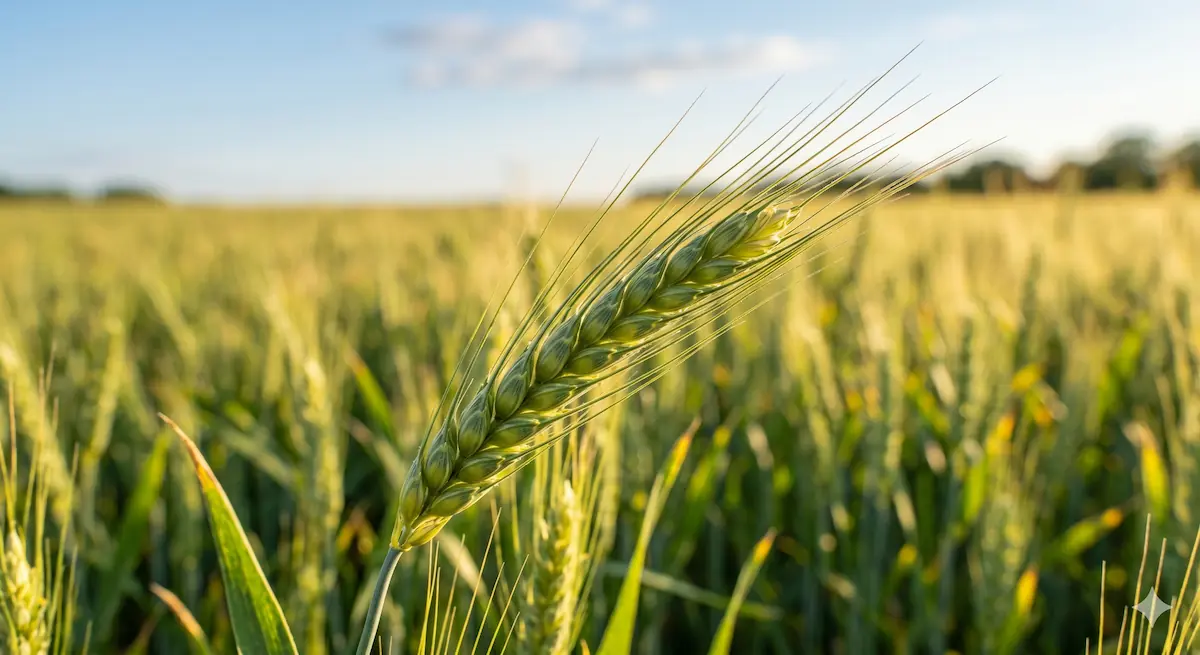
Wheat: Gold on Your Plot
Spring wheat is the foundation of life. Learn how to sow spring wheat, why it protects soil from erosion, and which crops it pairs best with in rotation.
Read more →