
Pea Companion Planting: Ultimate Guide for Sweet Pods
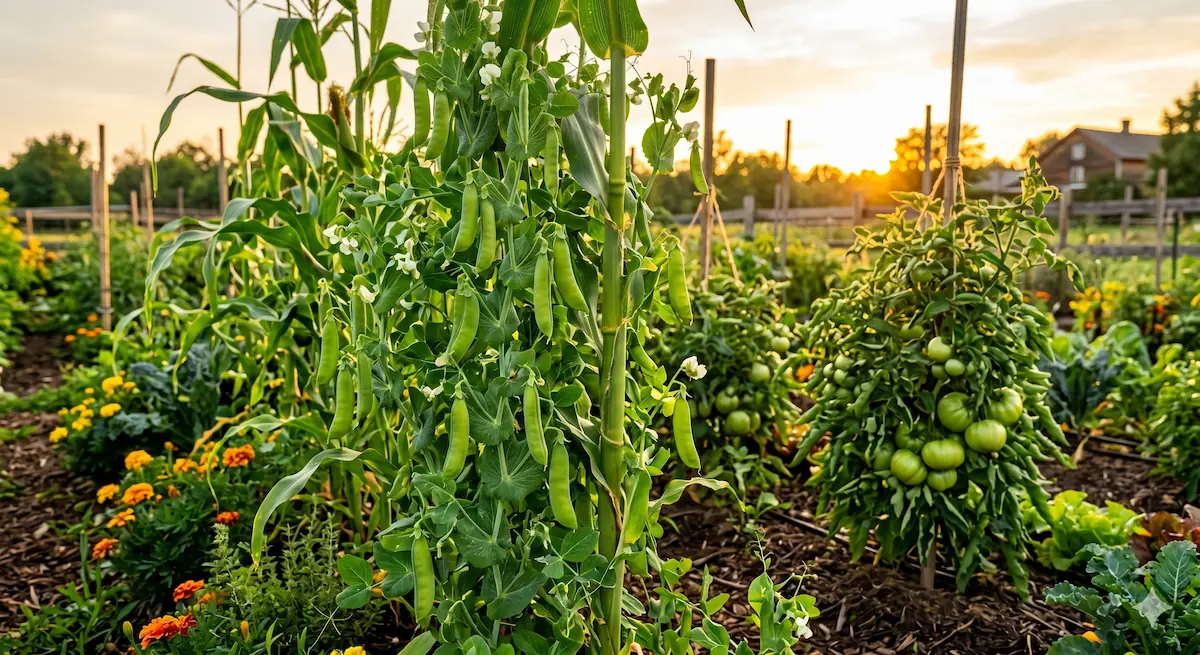
Peas are excellent green manure that provides free nitrogen to your garden beds. Discover 8 companion plants that love growing next to peas and why onions are dangerous.
Peas (Pisum sativum) are one of the most delightful and easiest crops to grow in the garden, loved by both adults and children. Beyond producing delicious and sweet pods, this vegetable serves as an outstanding green manure. Specialized nodule bacteria live on its roots, catching nitrogen from the air and fixing it into the soil, significantly improving plot fertility for future plant generations.
1. Sowing Timeline and Soil Preparation
Peas are a hardy, frost-tolerant crop, meaning they are among the first to be sown in early spring, as soon as the snow melts and soil temperatures reach +4-6°C (usually late March or April). Young sprouts easily survive temporary light frosts. The plant prefers fully sunny locations and loose, loamy or sandy loam soils with neutral acidity.
- Seed Sowing Depth: 3-4 cm (up to 5 cm in very sandy soils).
- Planting Layout: Keep 5-6 cm of space between individual seeds, and leave 15-20 cm between rows.
2. Summer Care Secrets: Supports and Irrigation
The primary rule for getting sweet, plump peas is deep, plentiful watering while the plants bloom and fill their pods. If the soil dries out during this period, the blossoms will drop, and any remaining pods will stay small and bitter. Additionally, most varieties (especially climbing ones) vitally require stakes or trellises 1 to 1.5 meters high. Set them up when stalks hit 10-15 cm. Our general cultivation practices for legumes are also detailed in our bean growing guide.
3. Table of Ideal Companions (Good)
Peas share their fixed soil nitrogen with neighbors, while surrounding crops offer solid protection from summer diseases and pests:
| Companion | Companion Benefits |
|---|---|
| Tomatoes | Absorb vital fixed nitrogen from peas while secreting root exudates that protect legume roots from rot diseases. |
| Peppers | Thrive nearby, soaking up remaining soil nutrients after the early pea harvest is cleared out. |
| Corn | A classic companion pairing: serves as an ideal, sturdy, and tall living trellis for climbing pea tendrils. |
| Cucumbers | Share identical watering preferences and grow side-by-side, creating a favorable humid microclimate. |
| Carrots | Peas loosen up the topsoil layer nicely, while carrot growth never interferes with the deep legume root systems. |
| Radishes | Mature rapidly in row spaces, clearing out early before the pea bushes expand and shade the ground. |
| Spinach | 📐 AgroPlanner AppRealize your dream garden: check plant compatibility, sun/shade needs, and save your plan easily.  DisclaimerImportant! All information in this blog is for recommendation purposes only. We are developers and enthusiasts, not certified agronomists. Results may vary based on your region, soil type, and weather. We are not responsible for potential errors or crop failures. Please verify critical advice independently! Found this helpful? Share with friends!Read more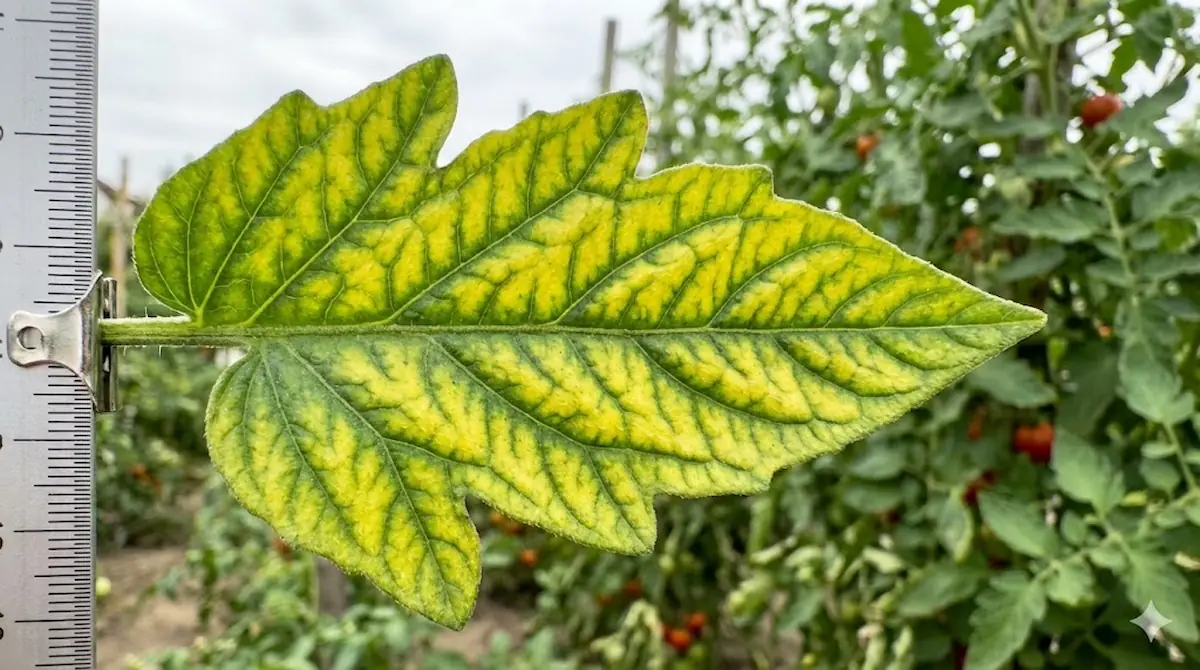 Yellow Leaves on Tomatoes: How to Distinguish Disease from Nitrogen or Magnesium DeficiencyA checklist for tomato diagnostics. Learn to distinguish plant hunger signals from symptoms of dangerous diseases to save your harvest in time. Read more → Leeks: How to Grow the Perfect "Blanched" White StemLeeks are the aristocrats of the onion family. Learn the secrets of trenching and hilling to get a long, tender, and snow-white stalk. Read more → Black Radish: A Natural Pharmacy in Your GardenBlack radish is a legendary remedy for colds. Learn why it prefers short daylight hours, how to provide proper irrigation, and why it should never be planted near cabbage. Read more → |